
August’s conversations came back to a simple idea: get more out of what you already have.
Your vendor reps should be helping you win business. Your employees and community should be the heart of your marketing. Your inventory and payroll should earn their keep.
None of that happens by accident. It takes a few honest conversations, a little follow-up, and the discipline to focus on what is actually moving the store forward.
Here’s what our Hardware Innovators community was talking about in August.
Table of Contents:
B2B Mastermind Takeaways:
Takeaway #1: Treat Vendor Reps Like Part of the Sales Team
A good vendor rep does more than explain a product or sell you another planogram. The best reps help solve customer problems, prepare quotes, support demos, and get the right product into a job or event.
One Innovator needed help supplying a large university account. The vendor rep was on-site within a few days and spent an hour walking through the product line, applications, ordering, and backstock. That is the kind of support that helps everybody sell more.
“Stop selling products and start helping us sell solutions.”
Be specific when you call. Give the rep the customer, the opportunity, the deadline, and the help you need. If the local rep cannot help, use the vendor’s Ace contact or move the question up the chain before the sale goes cold.
Takeaway #2: The Relationship Has to Go Both Ways
Vendor relationships usually get thin for the same reason customer follow-up does. The store gets busy, nobody reaches out, and the only call happens when something is already on fire.
Invite reps into the work before you need a rescue. Tell them about upcoming contractor events, bids, product gaps, and customer needs. Ask them to train the team, join a sales call, bring samples, or help with a targeted demo.
One paint department shifted shelf space toward vendors that answered questions, supported events, and helped the team sell. That is fair. A partnership should create value on both sides.
“Sometimes you have to drag the rep up the hill, but they get better when you involve them.”
Takeaway #3: Work Ahead of the Buying Season
Waiting for a contractor to walk in during a slow month is not much of a winter sales plan.
The group discussed looking roughly two months ahead and calling customers before the purchase cycle starts. Our Ace B2B rep mentioned this program being available for Ace dealers. September may be the time to ask what they will need in November. A landscaper who could not buy new equipment in the spring after a poor snow season may have money to spend on new equipment after a busy summer.
Protect a small block of B2B time every week for non B2B team members to learn and contribute. Even one focused hour is enough to review upcoming needs, contact customers, and line up vendor support. Weekly consistency beats a big push once every few months.
Takeaway #4: Cooperative Purchasing Can Open Bigger Doors
One Innovator received a Sourcewell lead for a large STIHL order from a local university that normally bought from a competitor. The sale was still in progress, but it gave the store a foot in the door with a large institutional customer.
Keep your vendor relationships and contract eligibility current. One solid lead can introduce your store to new buyers, departments, and future business.
Know another hardware store that would benefit from these insights? Share this recap with them!
Marketing Mastermind Takeaways:
Takeaway #1: Real People Beat Polished Product Posts
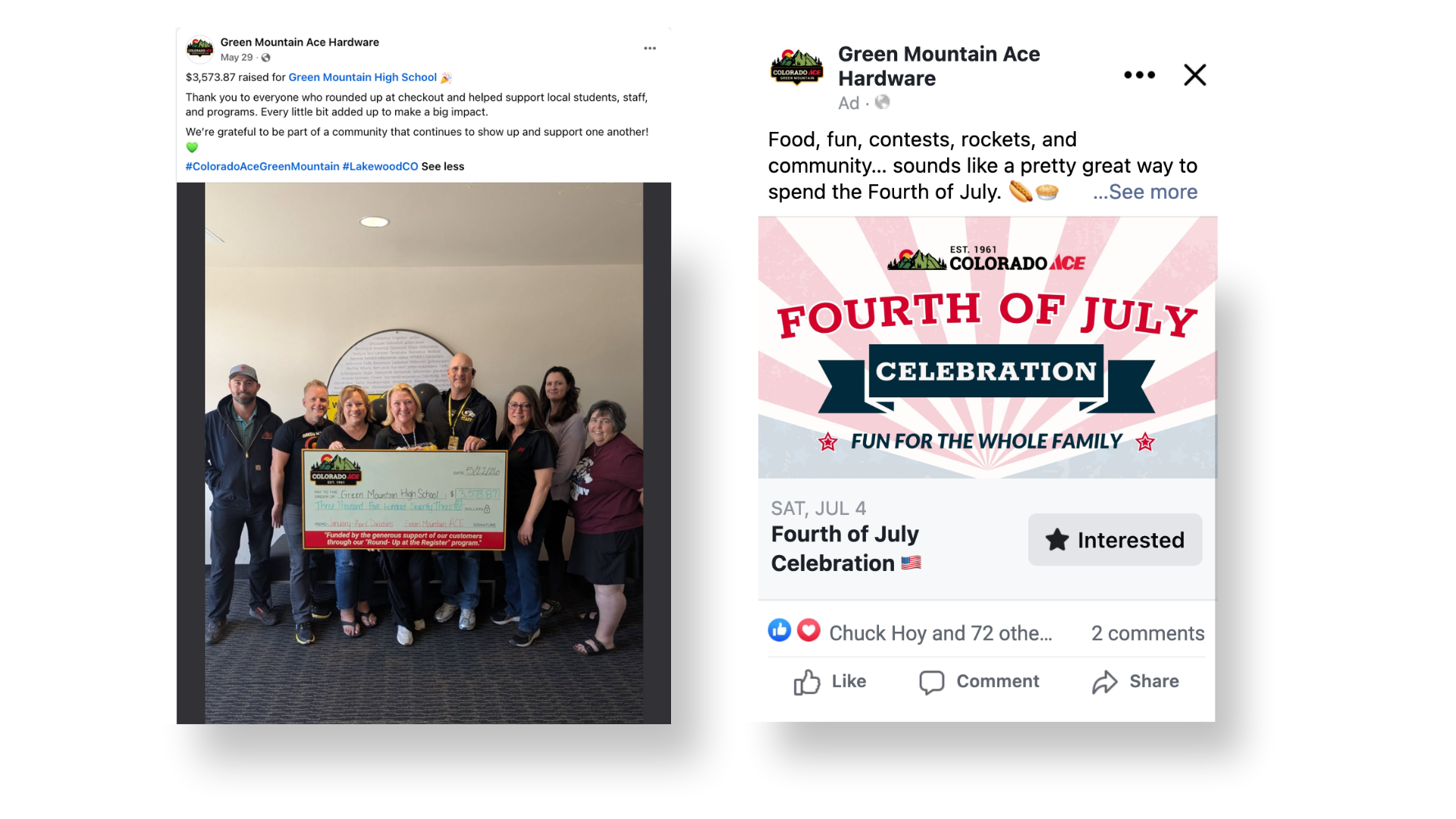
The posts getting attention were not fancy. They showed employees earning a red vest, team milestones, local school donations, and the people customers already know from the store.
One Innovator made a straightforward post on a personal Facebook page asking friends to consider the store if they needed a grill or mower. That post helped sell a $1,200 grill and two lawnmowers.
“When people see their store and people they know, they pay attention.”
You do not need a staged photo shoot every week. Keep an eye out for real moments, get permission, take a clear photo, and explain why it matters.
Takeaway #2: One Local Event Can Feed a Month of Marketing
Community events create more than one busy Saturday. They give you weeks of useful local content before, during, and after the event.
One store served about 150 hot dog meals during a pet fundraiser and raised nearly $800 for a local organization. Another brought in a rescue group, encouraged fostering, and invited customers to bring their dogs. The sales were not the whole story. The stores created traffic, goodwill, photos, and a reason for customers to talk about them.
A small paid boost can also go a long way. One Fourth of July event received 452 responses, including 242 from a last-minute boost at just $0.53 per response. A Mother’s Day event brought in 75 paid responses at $0.67 each. For comparison, $5 per response is considered a solid result for event ads.
Cover the event like a local reporter. Promote the partners, share the setup, capture the crowd, and post the results. A simple photo booth can give customers something they want to share themselves.
Takeaway #3: Shared Marketing Still Has to Feel Local
Several Innovators discussed sharing the cost of a marketer or content creator across nearby stores. The idea can work, especially when five or six locations can support a role that one store cannot afford alone.
The catch is that cheaper content is not useful if it looks like the same generic lawnmower post every store already has. Each location still needs someone who can send photos, stories, employee updates, and community news.
Share the tools and the cost. Keep the stories local.
Know another hardware store that would benefit from these insights? Share this recap with them!
Owner/General Manager Mastermind Takeaways:
Takeaway #1: Watch Traffic, Not Just Sales Dollars
Sales can be up while the number of customers walking through the door stays flat. One Innovator saw sales up about 8% and average transaction value up about 7.5%, while total ticket counts were essentially unchanged.
That is a good reminder that higher prices can make the top line look healthier than the store really is. Do not stop at daily sales. Watch transaction count, average ticket, gross profit dollars, and customer traffic together.
“If the average ticket is up but customer count is flat, you may not be growing as much as the sales report says.”
Takeaway #2: Right-Size Inventory Before the Slow Season
Extra facings and slow products look harmless until cash gets tight. Then you realize the shelf is full of money you cannot use.
One Innovator is scaling back seasonal orders, selling down grills, and reviewing supersets that carry the same items with double or triple facings. The store also has products that have not moved since a reset three years ago.
Walk the store before winter. Reduce duplicate facings, close out dead inventory, and make room for products that fit your local customers. Six on the shelf is not better if one or two will do.
Takeaway #3: Attack One Big Thing at a Time
Trying to fix payroll, inventory, task management, technology, and expansion all at once is a good way to make slow progress on everything.
One multi-store Innovator picked payroll as the year’s main focus and reduced payroll by three percentage points while sales grew. Once that work was in place, the team moved on to rolling out a task management system and is about 75% complete.
“We had too many people riding on the boat and not enough people rowing.”
Pick the number that matters most, give it an owner, and stay with it long enough to see a result. Then move to the next problem.
Helpful Resources for Owners & GMs
Know another hardware store that would benefit from these insights? Share this recap with them!
BIG NEWS! Join Us Next Month for Our First Ever Revenue Mastermind
Beginning in September, the B2B, Marketing, and Owners / General Managers conversations will come together in one Revenue Mastermind. The goal is simple: put the people responsible for store growth in the same room. We’re going to break down the silos and focus our conversations on how each of the innovators are increasing revenue.
September Topic: 10 Revenue-Producing Events to Leverage This Holiday Season
Need help signing up? Send us an email: hello@hardwareinnovators.com
Ready to Join the Conversation?
Does the idea of a monthly meet-up with other retail hardware stores sound valuable?
Would you like to share resources, ask questions, and participate with your peers on-demand through an exclusive Slack channel?
Email us at hello@hardwareinnovators.com to get access to the Slack Channel! The best part? It’s 100% free and connects you with hardware store owners, general managers, marketers, and B2B teams who are willing to share what’s working, what’s not, and what they’ve learned along the way.