
Along the way, our innovators shared a $43,000 tool order that came down to speed of bid, a $25,000 paint account won with an eyeball color match, and a look at when a dedicated greeter makes sense, which really depends on your store. Let’s dive in!
Revenue Mastermind Takeaways
Takeaway 1: Anyone Can Write a 2027 Forecast. Follow-Through Is What Counts.
Our innovators took very different approaches to 2027 planning. One B2B team estimated where they’ll finish 2026 on revenue, added a growth percentage on top, and pointed that growth at customers they already have, especially a local university and school district. The plan is to move accounts up a tier: $1,000 accounts to $5,000, $5,000 accounts to $15,000, and $20,000 accounts to $50,000.
Their outside sales rep isn’t setting activity KPIs (key performance indicators, like calls per week) for that plan, and they explained why. Years ago, on a slow Friday in software sales, a teammate announced he was going to “chain smoke 100 calls.” He made all 100 because he knew who to call, and not one of them was effective. His view: a rep can make a KPI look any way they want. Revenue comes down to how effective you are at the job. The takeaway isn’t to skip KPIs. It’s to pick ones tied to revenue, like new accounts and account growth, instead of activity alone.
A B2B lead at another store keeps it simple, too. Their B2B transactions are up 5% while store transactions are flat for the year, and B2B sales are up 5 to 6% with profit up about 7.4%. His 2027 forecast is about 6% growth again, just like this year and last. “I’m not looking for home runs, I’m just looking to make progress.”
Then an owner said what a lot of us were thinking: forecasting is where he struggles. They get too many ideas, start a new one halfway through the last, and some fall by the wayside. Rand’s response became the theme of the morning: the key to life is maintenance. It’s easy to come up with a forecast, a workout program, or a diet. It’s hard to maintain one. Without a plan and the resources to follow through, the forecast gets forgotten and should not even be drawn up.
Two more things to build into your numbers. Last year’s mild winter is still showing up: one store sold $18,000 in snowblowers to a single customer last season, and this year that customer is waiting to see the weather before buying again. Landscapers who had a slow winter also didn’t have the cash flow to buy in the spring.
Make your forecast stick:
- List the accounts you want to move up a tier, with a dollar target for each. Then come up with small incremental actions needed to get there.
- Use the reports you already have. One paint lead without a CRM (customer relationship management tool) checks his new-customer list in Compass each month and reaches out to anyone who signed up but hasn’t been back.
- Plan for weather swings in seasonal categories and with seasonal customers.
Takeaway 2: Follow Up Fast: How Quickly Each Generation Expects to Hear Back
One outside sales rep closed a $43,000 Milwaukee tool order with a local defense contractor. The lead came in at another location, which referred it to the B2B team. From there, it was all speed: several real, brass-tacks conversations with the customer, fast answers from the Milwaukee rep, and fast turnarounds back to the customer. His goal when a deal like this lands?
“Get them out of the market as fast as possible. Don’t let them look around, don’t let them chew on the bait.”
Rand shared research he pulled together for a presentation on how fast you need to get back to contractors:
- Millennials and younger: 24 hours. Any longer and they think you’re ghosting them, take it personally, and may never come back.
- Gen X: sensitive at around 48 hours.
- Under 2 hours for everyone: a really good chance of winning the work. That usually means dropping everything to help, so it takes having the resources ready.
Showing up in person counts, too. When a large local realtor called for an ice melt quote, another store’s outside salesperson skipped the phone call and stopped by. The realtor said they were the only ones who did. The store didn’t win that bid, but the realtor shared the winning price so they can be more competitive and promised them a shot at other work.
The same approach is rebuilding an account for the first B2B team. A property management company that took over two local mobile home parks (whose previous owner was one of the store’s top five customers) just placed a $2,500 order for equipment to winterize water systems. Why? The rep had met their whole team face-to-face first.
Takeaway 3: Competing with Sherwin-Williams: Expert On-Site Paint and Stain Matching
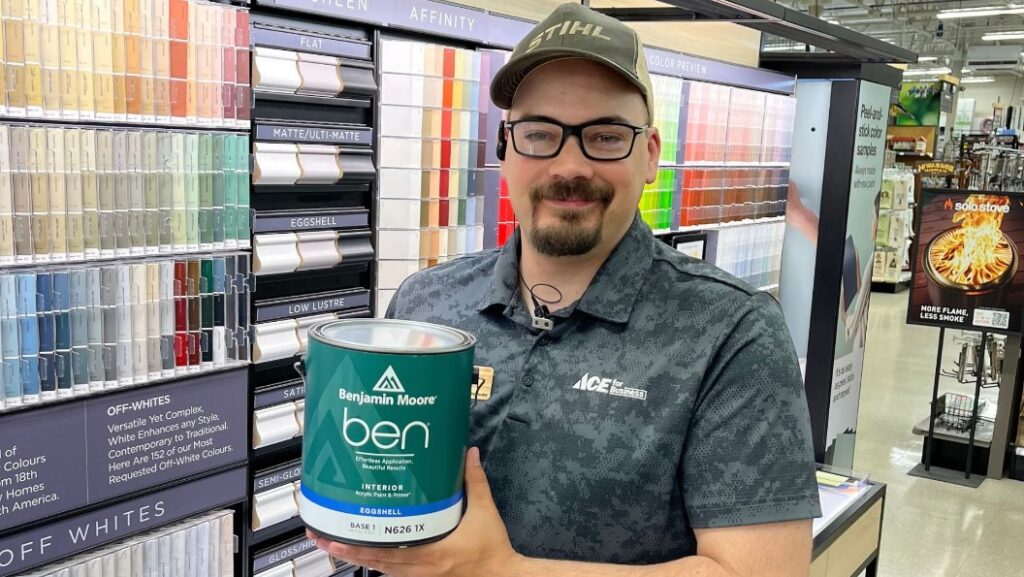
A paint lead with 15 years of mixing experience shared how their store landed its first contractor that buys from them as a primary supplier: $25,000 in exterior stain over one summer. It’s hard to compete with Sherwin-Williams on margin and pricing. Where an independent can compete is service and personal touch.
For this contractor, that meant free same-day delivery and on-the-job color matching. Instead of asking the painter to pull siding off a house to bring in a sample, the paint lead drove out with a fan deck, made their best guess, mixed a sample, and was back within the hour to test it. Then he adjusted, 20% darker or 20% lighter, until it matched. It’s a by-eye match with no machine, and sometimes it takes a couple of tries.
Is it worth a day out of the store? For a homeowner buying one gallon, no. For a contractor about to buy 40 gallons of stain based on that match, yes.
How to tell if you’re the primary supplier. In the Innovator’s market, where many jobs are on multimillion-dollar homes, a busy painting contractor should spend $25,000 to $50,000 a summer on paint and stain. If an account spent $5,000 with you, they were probably buying brushes and tape from you while someone else got the paint. If they spent $1,000, you were their last resort. They added that product is usually no more than about a quarter of a job’s price, so a $100,000 job should carry no more than $25,000 in product.
The paint rep’s winter plan is to nurture the accounts that spent $1,000 to $2,000, with tickets of about $75 to $100, by selling the service. It starts with a simple line: “Did you know you didn’t need to come in today? We could run this out to your job site, just text me.”
The other half of the plan is training. When an experienced tinter leaves or is out sick, contractors who need a color mixed 75% lighter want someone knowledgeable at the counter. Winter is when they’re training newer team members so they can handle those requests with confidence and avoid losing a contractor account.
Takeaway 4: What’s a WOW Champion, and When Does Your Store Need One?
A WOW Champion is the one person in charge of making sure the store has a “wow” factor. As one GM described it, the role includes an in-app list of clean-up items, a walkthrough every morning, one featured item each week, and greeting customers across the floor.
Staffing is the real tension. The Innovator said if they had someone at the Milwaukee table the whole event weekend, they probably would have sold more. But when you’re making 9 cents to $2 on some items, it’s hard to justify paying someone to stand there for 8 hours when they could be inventorying an aisle.
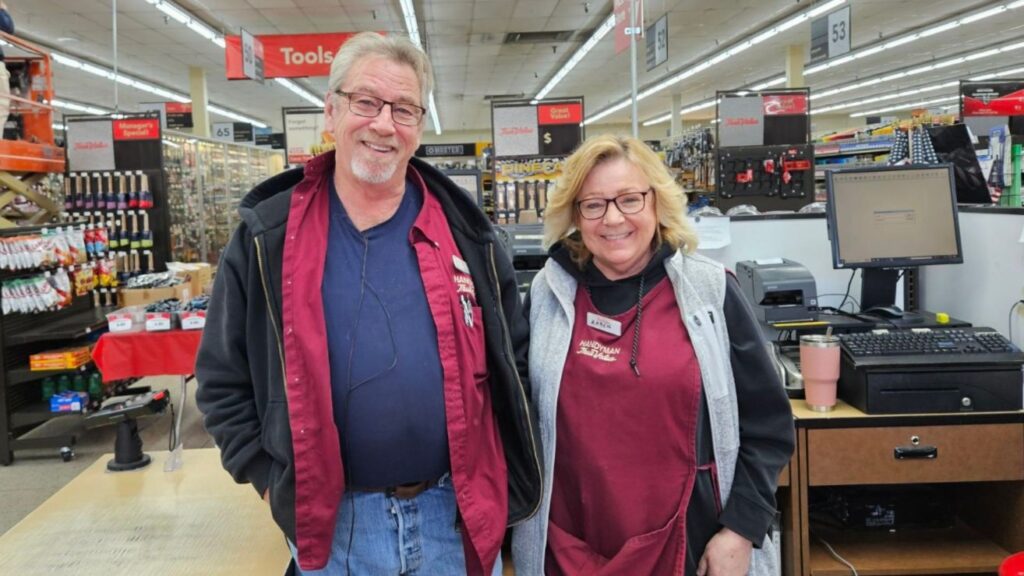
In a larger store, the role is covered all day in shifts, often by a supervisor or assistant manager, plus one employee whose full-time job it is. They greet people at the door, ask what they’re working on and what they need, point them to the right aisle, and radio ahead so a floor employee meets them there. The B2B team covers the floor early in the morning and stands just behind the registers, so they can greet contractors on the way in and sign them up for the B2B program at checkout. One rule: never let it look like two or three people standing around the door.
In a smaller store with two or three people on the floor, a GM said a dedicated greeter doesn’t make sense. Their crew greets everyone, and they’d rather they walk customers to the aisle themselves than hand them off, which feels impersonal. In a store that size, everybody is a WOW Champion.
Rand pointed out that we usually talk about the how and the why, but rarely the when. This conversation covered the when.
Decide what fits your store:
- Larger store, full-floor team: a dedicated greeter who directs traffic and radios ahead.
- Smaller store, two or three on the floor: everyone greets and walks customers to the aisle.
- Events and promotions: staff the table when the margin justifies the hours.
Revenue Resources
- Webinar recap: Building a Hardware Marketing Budget with Local & Corporate Resources
- Pre-order flyer idea: In a hardware retail Facebook group, one store shared that they sent B2B customers a flyer about pre-ordering with their monthly billing statement ahead of a big tool promotion, then posted about it on social. It looked like it helped bring customers in.
- Hardware Marketing 101: How to Track Marketing Efforts with KPIs
Know another hardware store that would benefit from these insights? Share this recap with them!
Join Us in December for Our Revenue Mastermind
We kicked off our first couple of Revenue Masterminds this fall to great success! The B2B, Marketing, and Owners / General Managers conversations will come together again in December for one Revenue Mastermind. The goal is simple: put the people responsible for store growth in the same room. We’re going to break down the silos and focus our conversations on how each of the innovators is increasing revenue.
December Topic: Where to Save Time, Cut Friction & Automate in 2027
Need help signing up? Send us an email: hello@hardwareinnovators.com
Ready to Join the Conversation?
Does the idea of a monthly meet-up with other retail hardware stores sound valuable?
Would you like to share resources, ask questions, and participate with your peers on-demand through an exclusive Slack channel?
Email us at hello@hardwareinnovators.com to get access to the Slack Channel! The best part? It’s 100% free and connects you with hardware store owners, general managers, marketers, and B2B teams who are willing to share what’s working, what’s not, and what they’ve learned along the way.