

This month’s Hardware Innovators Mastermind conversations focused heavily on what’s actually driving growth inside independent hardware stores right now, especially when it comes to B2B relationships, customer communication, and operational follow-through.
Innovators shared real examples around contractor buying habits, pricing strategy, onboarding employees into B2B conversations, using end caps more intentionally, leaning on vendors for marketing support, improving inventory coordination, and finding ways to deliver a better customer experience without overcomplicating things.
Let’s dig into some of the biggest takeaways from our May 2026 Mastermind discussions!
Table of Contents:
B2B Mastermind Takeaways:
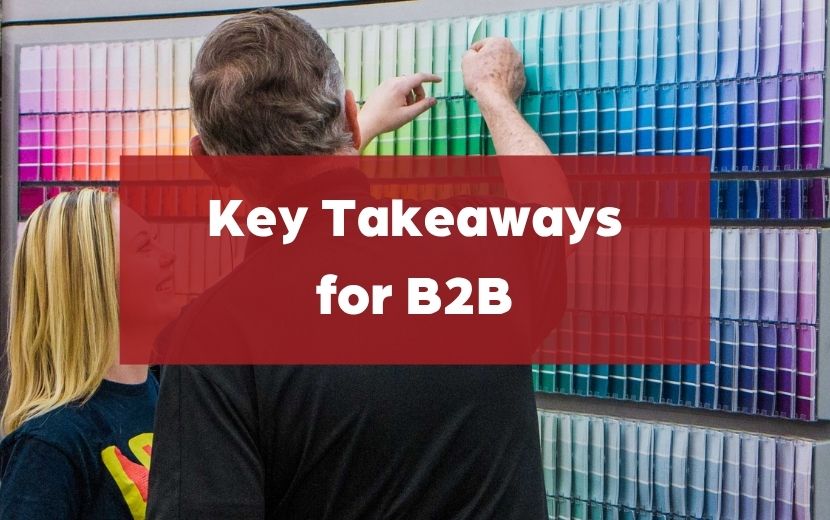
Takeaway #1: Keep an Eye Out for Painters on the Floor on Monday Mornings
During this month’s discussion, one innovator broke down how often painters are cycling through jobs and how that impacts buying behavior in-store. While every project is different, they shared that many painters typically start a new job every week, even if the actual painting portion only takes a few days.
That led to a very specific observation about timing: Monday mornings are when they consistently see painters coming into the store for supplies.
Contractors are mostly purchasing five-gallon buckets and intentionally buying extra product because they would rather have leftover paint than run out mid-project.
The conversation highlighted how important it can be for B2B reps and paint specialists to be visible on the floor during those contractor-heavy times, especially when those repeat weekly visits are where relationships are being built.
Takeaway #2: The Margin May Not Be as Important as Getting the Customer in the Door
One of the strongest conversations in this month’s mastermind centered around contractor pricing and being willing to work on margins for the right accounts.
An innovator shared that while their average paint margins are still healthy overall, there are situations where they are comfortable taking much lower margins on certain paint products if it helps win the contractor relationship. They explained that even if they are only making around 10% margin on some products, they still see value in it because those same contractors are also buying higher-margin sundries and additional supplies while they are in the store.
The overall discussion focused less on maximizing margin on every single item and more on getting contractors consistently buying from the store.
Takeaway #3: Are Your Floor Associates & Cashiers Getting B2B Training During Onboarding?
The group spent time discussing how and when store employees are introduced to B2B training.
One innovator shared that they approach B2B development differently depending on the employee and believe sales is more instinct-driven than something that can fully be taught. Because of that, they tend to “play it by ear” before involving someone heavily in B2B efforts.
Another innovator explained that their store currently includes introductory B2B training videos for sales associates and cashiers during onboarding, even for employees who are not specifically being trained as B2B champions. The training is more focused on awareness and helping frontline employees recognize business customers.
The conversation also highlighted that many employees (and customers) do not actually understand the term “B2B.” There is a push to change the language from “B2B” to “Ace for Business” because it feels clearer and easier for customers to understand during conversations on the sales floor. Associates are now encouraged to ask questions like, “Is this for home or business?” instead of leading with internal terminology.
Takeaway #4: Same-Day Delivery & Free Delivery are Big Selling Points
Delivery speed and convenience became a major part of this month’s conversation.
One innovator shared that while their standard promise to business customers is delivery within 24 hours, they regularly try to get products out much faster whenever possible.
Another innovator explained that same-day delivery is now enabled through their store systems and app ordering, meaning contractors can place orders digitally and still receive products quickly, even if the B2B rep is personally unavailable to deliver them.
The group also talked about intentionally handling many deliveries themselves instead of passing them off to general store delivery drivers. One innovator explained that they prefer B2B reps making deliveries because it creates more face time with customers and keeps relationships stronger.
One example shared during the discussion involved delivering a single $4.49 hinge to a property manager at no charge because the long-term value of the account was worth far more than the cost of the delivery itself.
The overall conversation reinforced that fast delivery, free delivery, and convenience are major differentiators for independent stores competing against larger retailers.
Know another hardware store that would benefit from these insights? Share this recap with them!
Marketing Mastermind Takeaways:
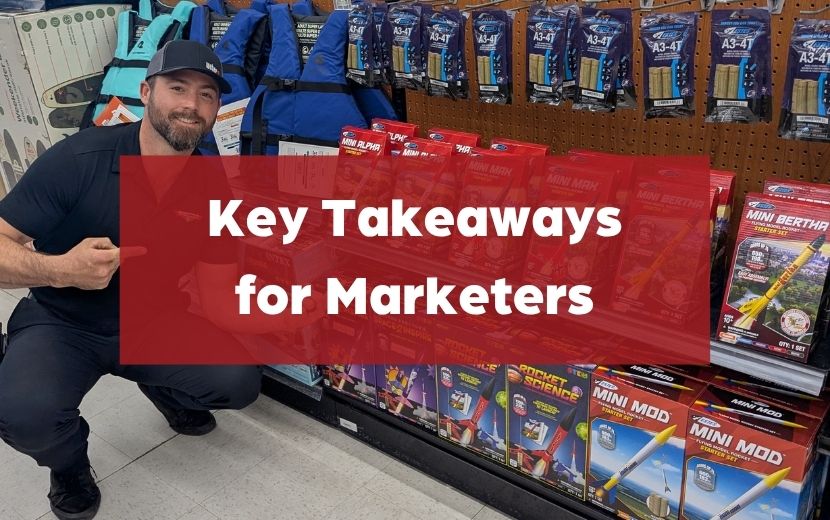
Takeaway #1: Love Your End Caps, and They Will Love You Back
One innovator shared a recent win involving custom end cap content for a local candle company. Instead of relying only on static signage, they filmed video content about the business, including footage of the local candle shop and café where the products are made, and turned it into a short branded video for the store’s end cap screens.
The products themselves were relatively high-end for the market, with candles around $28, but the more intentional merchandising and storytelling helped move product in a store that typically is not viewed as a “high-end” retail environment.
The group also talked about how underutilized end caps can be in hardware retail. One innovator explained that many stores either leave end caps inconsistent from a branding standpoint or only use them for basic signage, even though the physical space already exists to create much stronger customer touchpoints in-store.
Another innovator shared the idea to use screens more like “digital billboards,” rotating Red Hot Buys graphics and vendor promotions through simple slideshow-style content.
The larger conversation focused on using end caps more intentionally instead of treating them as purely shelf space.
Takeaway #2: Lean on Hardware Suppliers & Vendors for Marketing Materials
One of the biggest themes in this month’s marketing discussion was how much time content creation actually takes and how helpful vendor-supplied assets can be when marketing teams are already stretched thin.
An innovator shared that some of their best-performing social content recently came from simply resharing content created by industry magazines after their store received recognition and awards. Because the content was already professionally produced, it required very little additional work while still keeping the business active online.
The conversation then shifted into vendor marketing support. One innovator specifically called out Trex as an example of a supplier doing a great job providing dealers with ready-to-use photos and pre-made marketing assets.
Another innovator shared that they have directly reached out to vendors like DeWalt and Diablo, asking for brand kits, photos, and marketing materials to use in-store and online.
The group also discussed broader vendor marketing programs available through organizations like Orgill and Ace, where suppliers already create short-form videos, promotional graphics, and other marketing assets that stores can repurpose instead of creating everything from scratch.
The takeaway throughout the discussion was simple: stores do not always need to create every piece of content themselves, especially when suppliers are already investing heavily in marketing assets dealers can reuse.
Takeaway #3: Make Sure You Can Underpromise & Overdeliver for B2B
One innovator shared that their team has intentionally stepped back from heavily pushing B2B at one of their locations because staffing instability has made it difficult to consistently support contractor relationships.
They explained that after multiple management changes and staffing shortages in a smaller mountain-town location, they realized they did not currently have someone dedicated enough to properly support B2B customers. Instead of continuing to market heavily toward contractors and risk disappointing them, the team chose to pull back temporarily.
The concern was not just operational. The innovator specifically mentioned that inconsistent follow-through can start damaging the reputation of the business itself if contractor expectations are not being met.
That conversation led to a broader discussion about making sure stores have the operational structure, staffing, and follow-up processes in place before aggressively promoting B2B services or contractor programs.
Takeaway #4: Don’t Sleep on Email Newsletters
Email newsletters became one of the clearest “missed opportunity” conversations during this month’s mastermind.
One innovator shared that while they have thought about building a customer email newsletter for a long time, the biggest obstacle has simply been finding the time to set up the system and consistently manage it.
Another innovator explained that while the initial setup can take time, maintaining the newsletter afterward becomes much easier once the structure is in place. They also shared that their store has been actively collecting customer emails during events and giveaways, including Yeti cup promotions where customers opt into marketing communication while entering.
The group discussed how effective newsletters can be, specifically for local hardware stores, because customers already recognize and trust the business. One innovator shared that their email open rates are sitting around 50%, which led to a larger conversation about how valuable owned communication channels can become compared to constantly relying on social media algorithms or paid advertising.
The discussion also tied newsletters back into contractor and homeowner follow-up opportunities, especially for customers already in the system from cabinet sales, new construction projects, or showroom visits. The overall takeaway was that many stores are already sitting on valuable customer contact lists but are not consistently nurturing those relationships through email.
Need an Innovator-approved email marketing platform? Check out MailChimp!
Takeaway #5: Small Branded Merchandise Ideas Can Leave a Lasting Impression
Part of this month’s marketing discussion turned into a brainstorming session around simple branded merchandise ideas stores are using to stay memorable with customers.
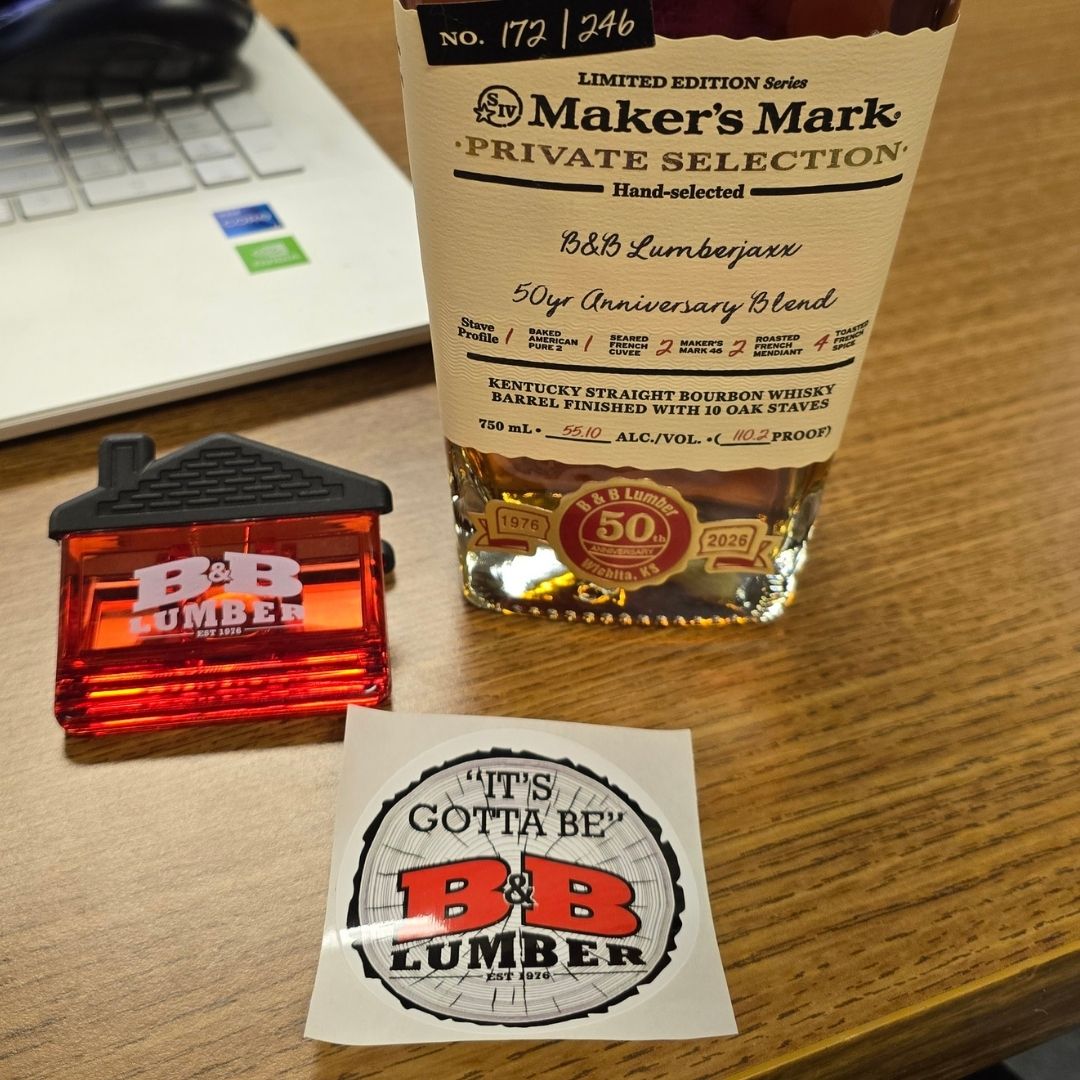
One innovator shared custom-branded clips featuring their store logo, along with a Maker’s Mark partnership that included custom whiskey bottles. Another innovator shared the idea of laser-engraving small wooden “thank you” chips as a more personal customer giveaway.
The conversation focused less on expensive promotional products and more on creative, memorable items customers might actually keep, use, or talk about afterward.
The overall takeaway was that branded merchandise does not always have to be complicated or large-scale to be effective. Sometimes, smaller, more thoughtful branded touches can create stronger customer connections and word-of-mouth than traditional advertising.
Helpful Resources for Marketers
- 2026 Content Calendar Template
- Social Distribution Calendar Example
- Blue Corn Candle End Cap Video
- MailChimp for Email Newsletters
- Upcoming Webinar: How to Make the Most of Your Hardware Store’s Website
- Branded Merchandise Ideas:
Know another hardware store that would benefit from these insights? Share this recap with them!
Owner/General Manager Mastermind Takeaways:
Takeaway #1: Your Dashboard Might Not Be Showing the Full Picture
One GM shared frustration around relying on their Propello dashboard to track store performance, only to later discover that the dashboard was not including their dot-com sales numbers. For weeks, they believed the store was significantly down year over year until an ACE rep showed them a completely different sales picture using ACE’s reporting numbers.
After digging into the issue with support, they found that the dot-com invoices were technically visible inside the system but were simply not being included in the main dashboard reporting totals.
The conversation became a reminder that many GMs are making daily decisions based on dashboards and reporting tools that may not always give a complete operational picture. The group also discussed how frustrating it can be when systems technically contain the data but still require manual exporting, spreadsheets, or workarounds to surface meaningful business insights.
Takeaway #2: Inventory is Becoming Just as Important as Sales in B2B
One of the more interesting conversations in the GM discussion centered around how B2B roles evolve as stores grow.
A GM shared that after years of building up their B2B operation, they recently moved one of their inside B2B employees into a full-time inventory and pricing coordinator role because inventory management had become one of the biggest operational bottlenecks.
The discussion expanded into how difficult it can be for remote and rural stores when products are out of stock. One GM explained that because their stores are located in isolated areas, not having an item on the shelf immediately puts them at a disadvantage since customers may leave town entirely to find it elsewhere.
The group also discussed how contractor expectations are shifting toward broader sourcing capabilities. Instead of only expecting stores to stock common products, customers increasingly expect hardware retailers to help source hard-to-find inventory quickly, similar to the experience businesses now expect from companies like Amazon and Walmart.
The conversation highlighted that as B2B programs mature, inventory coordination and sourcing may become just as critical as the sales relationship itself.
Helpful Resources for Owners & GMs
- Upcoming Webinar: How to Make the Most of Your Hardware Store’s Website
Know another hardware store that would benefit from these insights? Share this recap with them!
Join Us On June 17th for Our Next Mastermind
In June, we’re focusing on how hardware retail stores show up online when contractors, homeowners, and local customers are actively searching for answers, products, and solutions.
B2B Mastermind:
What Questions Are Your Contractors Asking and Where Are You Answering Them Online
Marketing Mastermind:
How to Write Content that Will Show Up in AI and Google Search
Owners / GMs Mastermind:
Is Your Website Helping Your Store Grow?
Are You On Board?
Does the idea of a monthly meet-up with other retail hardware stores sound valuable? Would you like to share resources, ask questions, and participate with your peers on-demand through an exclusive Slack channel?
Email us at hello@hardwareinnovators.com to get access to the Slack Channel! The best part? It’s 100% free and puts you in touch with hardware store general managers, marketers, and B2B reps to ask questions and get immediate feedback from what worked at other hardware stores!